Datasheet4U Logo Datasheet4U.com

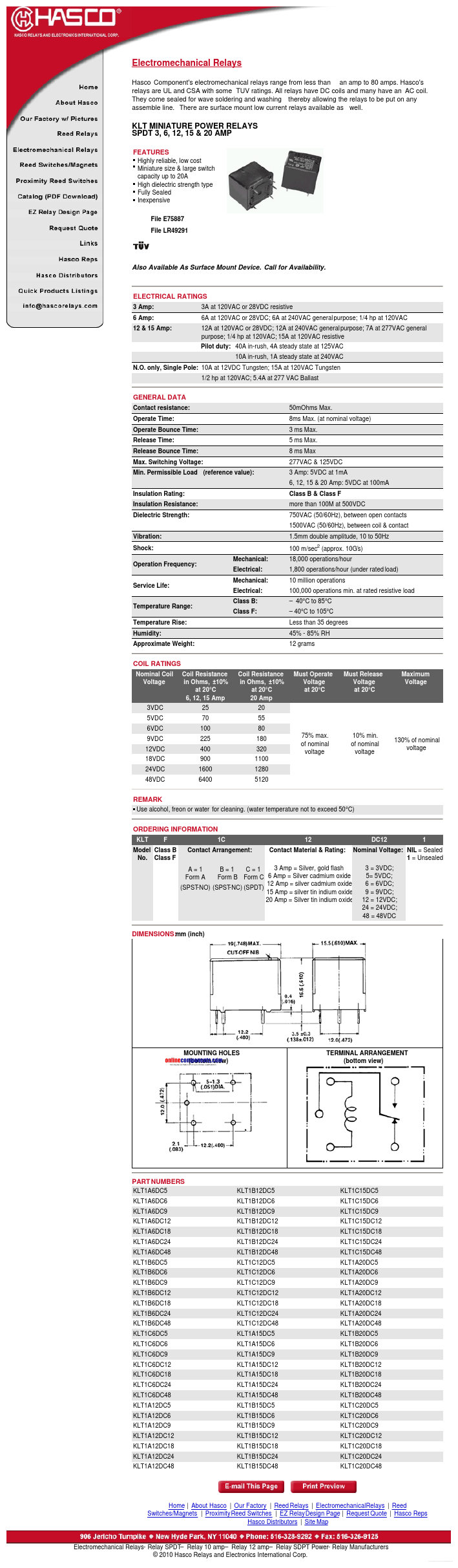
KLT1C20DC6 - Relays

Download the KLT1C20DC6 datasheet PDF. This datasheet also covers the KLT1A variant, as both devices belong to the same relays family and are provided as variant models within a single manufacturer datasheet.

General Description

The AK4185 is a 4-wire/ 5-wire resistive touch screen controller that incorporates 12bit SAR A/D converter.

The AK4185 operates down to 1.6V supply voltage in order to connect a low voltage microprocessor.

Key Features

  • 4-wire or 5-wire Touch Screen Interface SPITM Serial Interface 12bit SAR A/D Converter with S/H circuit Sampling Rate: 300Ksps Pen Pressure Measurement (4-wire) Continuous Read Function (External Clock Mode) Integrated Internal Osc (Sequence Mode) Integrated Median Averaging Filter Low Voltage Operation: VDD = 1.6V ~ 3.6V.

📥 Download Datasheet

Note: The manufacturer provides a single datasheet file (KLT1A-6DC5.pdf) that lists specifications for multiple related part numbers.

Datasheet Details

Part number KLT1C20DC6
Manufacturer Hasco
File Size 250.29 KB
Description Relays
Datasheet download datasheet KLT1C20DC6 Datasheet

Full PDF Text Transcription (Reference)

The following content is an automatically extracted verbatim text from the original manufacturer datasheet and is provided for reference purposes only.

View original datasheet text
[AK4185] AK4185 Low Power Touch Screen Controller with SPIā„¢ Interface GENERAL DESCRIPTION The AK4185 is a 4-wire/ 5-wire resistive touch screen controller that incorporates 12bit SAR A/D converter. The AK4185 operates down to 1.6V supply voltage in order to connect a low voltage microprocessor. The AK4185 has both an automatic continuous measurement and a measurement data calculation function. The functions that normally require external processing, such as calculating the average screen input value, are processed by the AK4185. In addition, a new sequential mode achieves short coordinate measurement time while greatly reducing the microprocessor overhead. The AK4185 can detect the pressed screen location by performing two A/D conversions and it can also measure touch pressure.