Datasheet4U Logo Datasheet4U.com

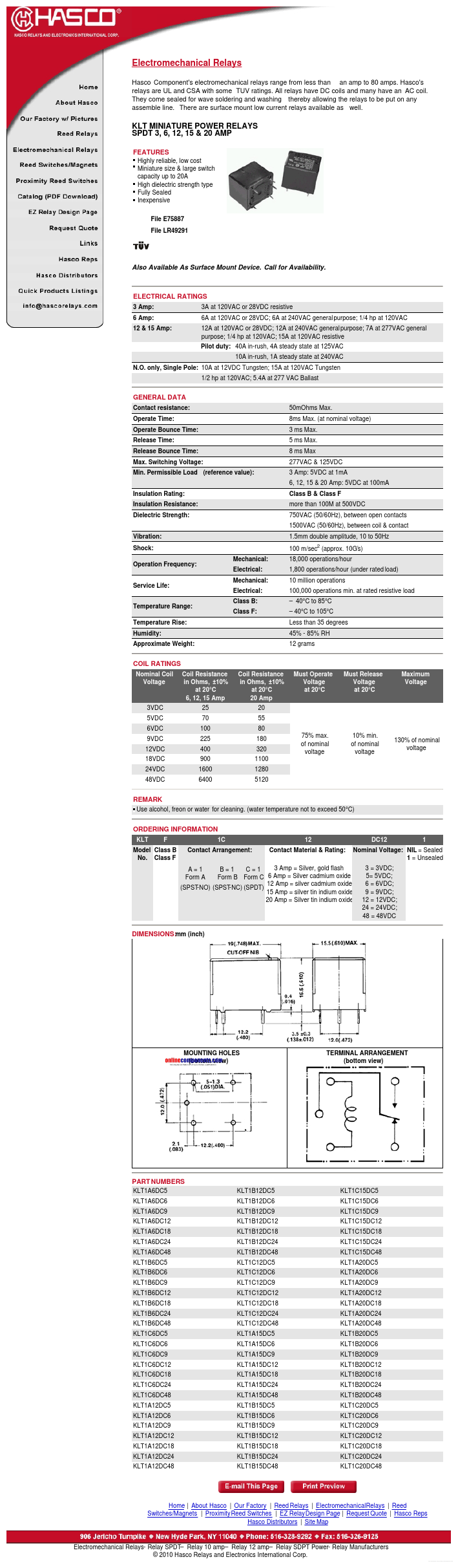
KLT1A12DC5 - Relays

Download the KLT1A12DC5 datasheet PDF. This datasheet also covers the KLT1A variant, as both devices belong to the same relays family and are provided as variant models within a single manufacturer datasheet.

General Description

at any time, without notice.

Desktop Board D102GGC2 may contain design defects or errors known as errata which may cause the product to deviate from published specifications.

Current characterized errata are available on request.

Key Features

  • a summary of product features Installing and Replacing Desktop Board Components: instructions on how to install the desktop board and other hardware components Updating the BIOS: information about how to update the BIOS A Error Messages and Indicators: information about BIOS error messages and beep codes B Regulatory Compliance: safety and EMC regulations, product certification Conventions The following conventions are used in this manual:.

📥 Download Datasheet

Note: The manufacturer provides a single datasheet file (KLT1A-6DC5.pdf) that lists specifications for multiple related part numbers.

Datasheet Details

Part number KLT1A12DC5
Manufacturer Hasco
File Size 250.29 KB
Description Relays
Datasheet download datasheet KLT1A12DC5 Datasheet

Full PDF Text Transcription (Reference)

The following content is an automatically extracted verbatim text from the original manufacturer datasheet and is provided for reference purposes only.

View original datasheet text
IntelĀ® Desktop Board D102GGC2 Product Guide Order Number: D47985-002 Free Datasheet http://www.Datasheet4U.com Revision History Revision -001 -002 Revision History First release of the IntelĀ® Desktop Board D102GGC2 Product Guide Second release of the Intel Desktop Board D102GGC2 Product Guide Date February 2006 July 2006 If an FCC declaration of conformity marking is present on the board, the following statement applies: FCC Declaration of Conformity This device complies with Part 15 of the FCC Rules. Operation is subject to the following two conditions: (1) this device may not cause harmful interference, and (2) this device must accept any interference received, including interference that may cause undesired operation.